
Summary: This is one of the most common questions we hear at BMW of Columbus from drivers in Auburn, Opelika, and Phenix City: Am I giving up power if I choose a 4-cylinder BMW instead of a six-cylinder? The honest answer: on paper, yes. In daily driving, usually not. And in many cases, you actually gain efficiency, responsiveness, and value.
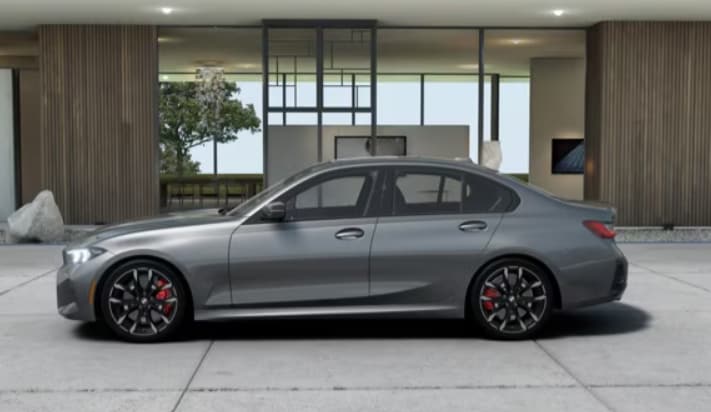
Horsepower Numbers vs Usable Power
Six-cylinder engines still offer higher peak horsepower. But most drivers rarely use that top-end output.
BMW’s four-cylinder engines are designed around:
-
Low-RPM torque
-
Faster turbo response
-
Quicker acceleration at city and highway speeds
That’s why many drivers find a 4-cylinder BMW feels just as quick in normal driving.
Why BMW Chose Four-Cylinders Strategically
BMW didn’t move toward four-cylinder engines accidentally.
The reasons include:
-
Improved fuel efficiency
-
Lower emissions
-
Cost-effective production
-
Competitive pricing across global markets
By using advanced 2.0-liter turbocharged engines in models like the 3 Series, BMW can deliver performance while keeping vehicles affordable and efficient.
How Engine Technology Makes Up the Difference
Modern BMW 4-cylinders rely heavily on advanced systems:
TwinPower Turbo
-
Twin-scroll design reduces turbo lag
-
Strong acceleration from low RPMs
-
Efficient power delivery without wasted fuel
Direct Injection
-
Precise fuel delivery improves combustion
-
Better throttle response
-
Reduced emissions and heat loss
These systems allow BMW 4-cylinder engines to outperform many older six-cylinder and even V8 engines from previous generations.
Fuel Efficiency Is the Real Win
Choosing a four-cylinder BMW often means:
-
Significantly better MPG
-
Fewer fuel stops
-
Lower long-term operating costs
For drivers commuting between Columbus and Auburn or Opelika, this efficiency matters far more than peak horsepower numbers you rarely use.
Towing and Utility Still Hold Up
A common misconception is that four-cylinder engines eliminate utility. In reality:
-
Many BMW SUVs with 4-cylinders can tow light trailers
-
Cargo space remains unchanged since it’s a chassis design, not engine-dependent
-
Perfect for weekend projects, sports gear, or road trips
Who Should Choose a 6-Cylinder BMW?
Six-cylinder BMWs are still ideal for:
-
Performance-focused drivers
-
Enthusiasts who prioritize sound and high-RPM pull
-
Drivers who regularly carry heavy loads or want maximum towing
But for many buyers in Phenix City and Opelika, a four-cylinder delivers everything they need, with fewer trade-offs.
FAQ: 4-Cylinder vs 6-Cylinder BMW
Will a 4-cylinder BMW feel slower?
In daily driving, most drivers don’t notice a meaningful difference thanks to turbocharged torque.
Do 4-cylinder BMWs last as long?
Yes. Modern BMW four-cylinders are engineered for durability and long-term use.
Is the fuel savings really noticeable?
Absolutely. Over time, better MPG adds up to real savings.
Why Do I Have to Register My BMW Battery?
Summary: If you own a BMW and recently replaced the battery, you may have been told it needs to be registered. For many drivers shopping or servicing their vehicle at BMW of Columbus, this raises a fair question: Why does a car battery need to be registered at all? Battery registration is a critical step that protects performance, fuel efficiency, and your vehicle’s electrical system
What BMW Battery Registration Actually Does
BMW vehicles don’t treat the battery as a simple power source. The car continuously monitors:
-
Battery age and condition
-
Charging history
-
Electrical load from comfort, safety, and performance systems
When a battery is replaced, the vehicle must be reset to recognize the new battery. Registration clears out the old data and allows the charging system to recalibrate.
Without this step, your BMW is essentially guessing how to manage the new battery.